



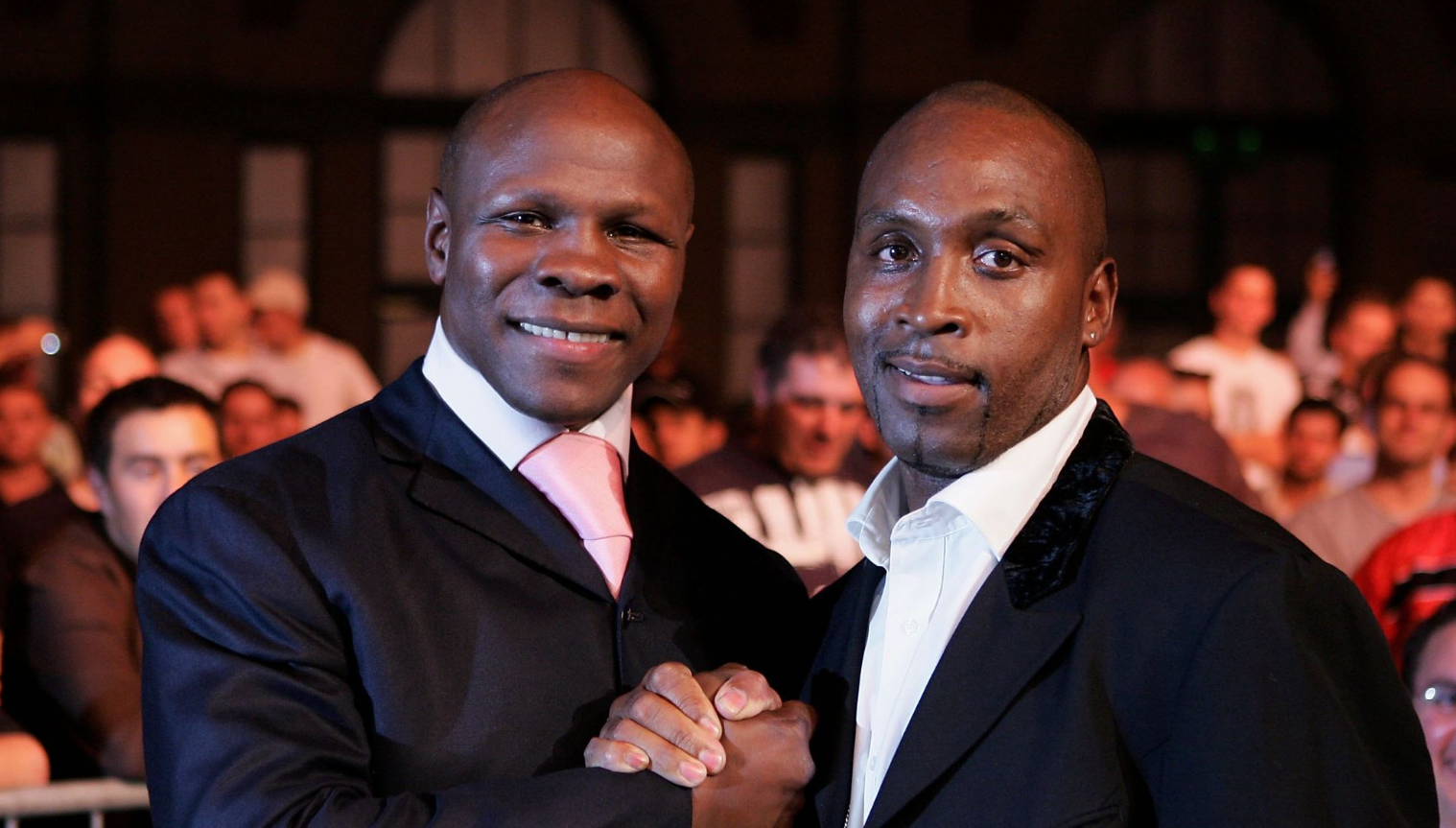
Nigel Benn’s rise in professional boxing was rapid, explosive, and built on sheer knockout power that immediately separated him from many of his contemporaries. After turning professional in 1987, Benn quickly gained attention for his aggressive style, finishing fights early and overwhelming opponents with relentless pressure. This early dominance earned him the nickname “The Dark Destroyer”, a reflection of both his punching strength and intimidating presence inside the ring. As Nigel Benn climbed the ranks, he became known as a fighter who did not rely on cautious strategy but instead sought to end bouts decisively, often within the first few rounds, making him one of the most exciting prospects in British boxing during the late 1980s.
The Rise of Nigel Benn
Nigel Benn’s rise in professional boxing was fast, aggressive, and full of explosive performances that immediately made him stand out in the British boxing scene. After turning professional in 1987, he built a reputation as a devastating puncher who rarely allowed fights to go the distance. His early career was defined by knockout victories that showcased his raw power and fearless approach inside the ring. The name Nigel Benn quickly became associated with excitement, intensity, and unpredictability, which helped him gain popularity among boxing fans.
As his career progressed, Benn continued to climb the rankings by defeating experienced opponents and proving that he was more than just a hard hitter. His relentless pressure style forced opponents into mistakes, allowing him to capitalize with heavy punches. This aggressive mindset, combined with his physical strength and determination, helped him secure major opportunities in the middleweight division. By the end of his early rise, Benn was already seen as a serious contender for world titles, setting the stage for his championship journey.
Early Life and Entry into Boxing
Nigel Benn was born on 22 January 1964 in Ilford, London, and grew up in a tough working-class environment that shaped his resilient and aggressive personality. Before becoming a professional boxer, he served in the British Army, where he developed discipline, structure, and physical strength. His time in the military played a major role in building the mental toughness that would later define his boxing career, as he learned to handle pressure and push through physical limits.
Rise Through the Professional Ranks
Nigel Benn’s climb through the professional boxing ranks was defined by rapid progress and a series of dominant knockout victories that established him as a serious contender. After turning professional in 1987, he faced increasingly skilled opponents, yet his aggressive style and punching power allowed him to continue winning in convincing fashion. Many of his early bouts ended within the first few rounds, reinforcing his reputation as one of the most dangerous punchers in the middleweight division. The name Nigel Benn quickly became synonymous with excitement and early fight finishes.
As Benn advanced in competition, he began facing more experienced fighters who tested his defense and stamina, but his relentless pressure often overwhelmed them. He combined raw aggression with improving technical ability, which made him more complete as a boxer over time. These performances earned him higher rankings and positioned him for major title opportunities. By the time he reached world-level contention, Benn had already proven that he was not just a powerful puncher, but a legitimate elite-level fighter capable of competing on the global stage.
World Championship Glory and Title Reigns
Nigel Benn reached the peak of his career when he captured his first world title, becoming the WBO middleweight champion in 1990 after defeating Doug DeWitt in a dominant performance. This victory marked a defining moment in his career, as it confirmed his status as one of the top fighters in the world. Known for his explosive style and relentless aggression, Benn used his physical power to overwhelm opponents and establish himself as a feared champion in the division.
The Legendary Rivalry with Chris Eubank
Nigel Benn’s rivalry with Chris Eubank is widely regarded as one of the greatest in British boxing history, defined by intense emotions, contrasting personalities, and high-stakes championship bouts. Their first encounter in 1990 saw Benn defend his aggressive, knockout-driven style against Eubank’s calculated and defensive approach. The fight ended with Eubank stopping Benn in the ninth round, costing him the WBO middleweight title and setting the stage for one of boxing’s most talked-about rivalries.
Their second fight in 1993 was even more significant, as it took place at super-middleweight in a unification bout that ended in a dramatic draw. Both fighters displayed extraordinary resilience, with neither able to secure a decisive victory despite fierce exchanges. The rivalry between Nigel Benn and Chris Eubank became a cultural phenomenon in Britain, symbolizing a clash of styles, personalities, and pride that captured the attention of boxing fans worldwide.
The Brutal Battle with Gerald McClellan
Nigel Benn’s fight against Gerald McClellan in 1995 is considered one of the most brutal and emotionally intense bouts in boxing history. The match was a WBC super-middleweight title defense for Benn, and it immediately turned into a violent exchange of power punches from both fighters. In a shocking moment early in the fight, Benn was knocked out of the ring, but he returned and dramatically turned the fight around, eventually winning by knockout. The courage and resilience shown by Nigel Benn in this fight made it one of the most talked-about victories of his career.
Fighting Style, Strengths, and Legacy
Nigel Benn was known for his explosive, aggressive fighting style that focused on overwhelming opponents with constant pressure and heavy punching power. He rarely took a step back in fights, instead choosing to engage directly and force opponents into exchanges where his knockout ability could take over. This approach made him one of the most entertaining boxers of his era, as fans could always expect action when Nigel Benn entered the ring. His high knockout ratio is a clear reflection of his ability to end fights suddenly and decisively.
Beyond his raw power, Benn also developed mental toughness and resilience that allowed him to recover from difficult moments in fights, including knockdowns and early setbacks. His legacy in boxing is defined not only by his world titles but also by his unforgettable wars inside the ring that helped shape British boxing history. Many analysts consider him part of a golden era of fighters who elevated the sport’s popularity, and his name remains associated with bravery, intensity, and unforgettable entertainment.
Conclusion and FAQs
Nigel Benn’s journey from a working-class upbringing in London to becoming a two-weight world boxing champion is a powerful story of determination, aggression, and resilience. Known for his explosive punching power and fearless fighting style, he became one of the most exciting boxers of the 1990s and a central figure in British boxing history. His rivalries with Chris Eubank and his legendary fight against Gerald McClellan ensured that the name Nigel Benn would remain unforgettable in the sport. His legacy is defined not only by titles but also by the unforgettable wars that shaped an entire era of boxing.
FAQs
1. What is Nigel Benn famous for?
Nigel Benn is famous for being a two-weight world boxing champion and one of the most aggressive punchers in British boxing history.
2. How many world titles did Nigel Benn win?
He won two major world titles: the WBO middleweight title and the WBC super-middleweight title.
3. Who was Nigel Benn’s biggest rival?
His biggest rival was Chris Eubank, with whom he had two iconic fights in the 1990s.
4. What is Nigel Benn doing now?
After retirement, he focuses on family life, public appearances, and supporting his sons’ boxing careers.
