



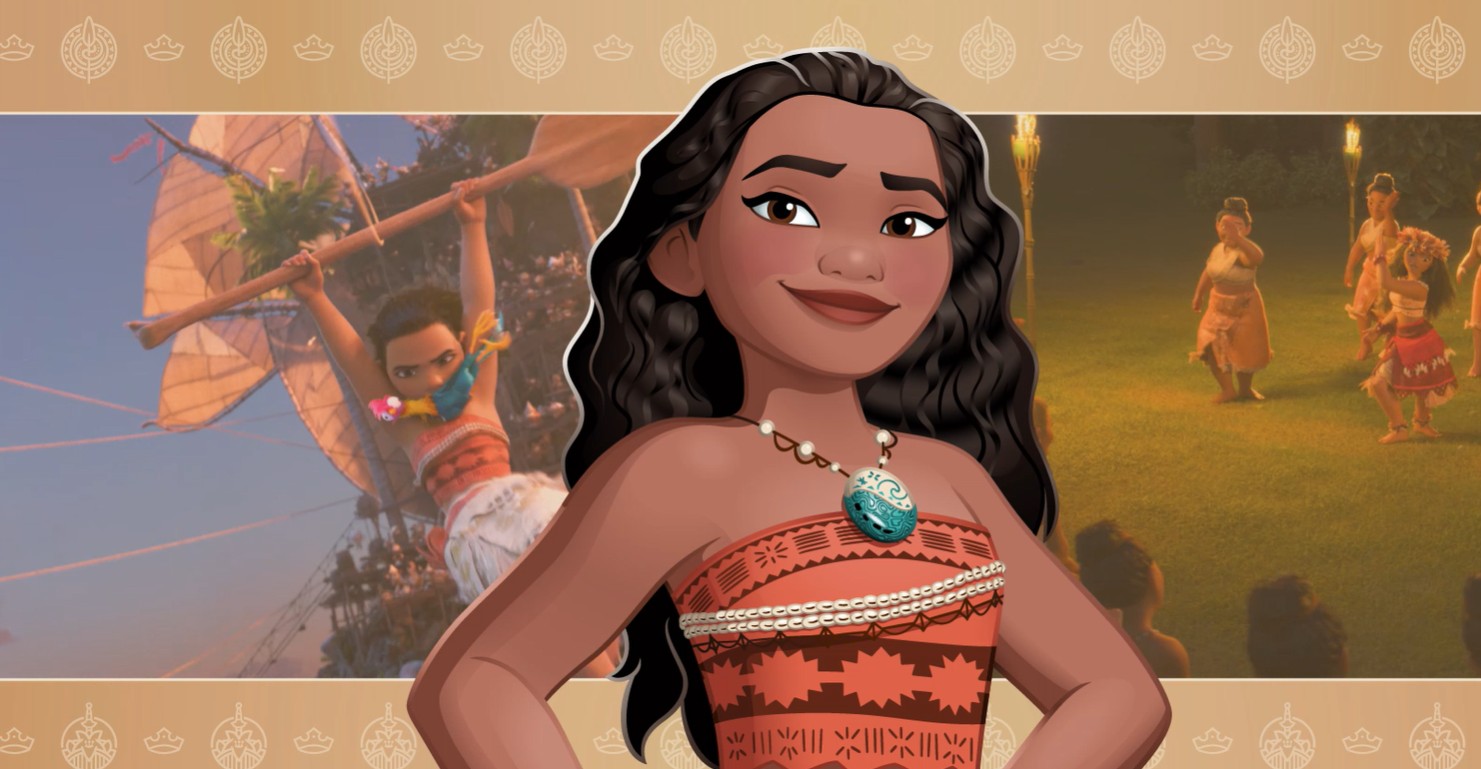
Disney’s Moana stands out because its characters are more than simple heroes, villains, or comic sidekicks. The story brings together a determined young wayfinder, a proud demigod, caring family members, unusual animal companions, and powerful supernatural beings. Each character helps shape Moana’s journey and adds emotional depth to the adventure.
The Moana characters also reflect important themes such as leadership, identity, family responsibility, courage, and cultural heritage. While the first movie focuses on Moana restoring the Heart of Te Fiti, Moana 2 expands the story with new voyagers, ancestors, and ocean communities. This guide explains the most important character names, roles, relationships, and personalities from both films.
Main Moana Characters and Their Roles
Moana is the main character and the daughter of Chief Tui and Sina. She grows up on the island of Motunui, where she is expected to become the community’s next leader. Although she cares deeply about her people, she also feels a strong connection to the ocean. When the island begins suffering from poor harvests and fewer fish, Moana travels beyond the reef to find Maui and restore the Heart of Te Fiti.
What makes Moana memorable is that she succeeds through determination, compassion, and good judgment rather than physical strength alone. She learns to navigate the ocean, makes difficult decisions, and refuses to give up when Maui abandons the mission. Her story is not built around romance. Instead, it focuses on self-discovery, leadership, and reconnecting her people with their voyaging heritage.
Maui is a powerful demigod who can transform into animals with the help of his magical fishhook. He is confident, humorous, and proud of the many legends associated with his name. However, beneath his bold personality, Maui struggles with rejection and a strong need for approval. His decision to steal the Heart of Te Fiti was partly driven by his desire to give humans a valuable gift and earn their admiration.
At first, Maui sees Moana as an inconvenience, but their relationship gradually becomes one of mutual respect. He teaches her practical wayfinding skills, while she helps him understand that his worth does not depend entirely on his magical hook or public reputation. Maui’s emotional development makes him more than a comic action character.
Moana’s Family and Loyal Companions
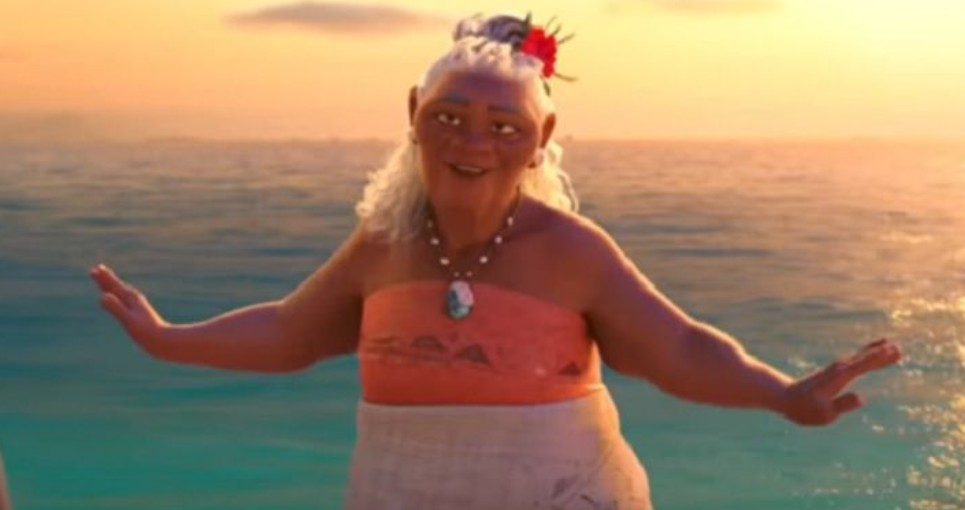
Gramma Tala is Moana’s grandmother, closest supporter, and spiritual guide. She understands Moana’s connection to the ocean and encourages her to listen to her inner sense of purpose. Tala also reveals the truth about Motunui’s past by showing Moana the hidden canoes once used by their ancestors. This discovery helps Moana realize that voyaging is part of her people’s identity rather than an act of rebellion.
Even after her death, Tala continues to guide Moana. Her spirit appears in the form of a glowing manta ray, giving Moana the confidence to continue when she is ready to return home. Tala represents wisdom, memory, and the connection between present and past generations.
Chief Tui is Moana’s father and the leader of Motunui. He is protective, responsible, and deeply committed to the safety of his community. His refusal to let Moana sail beyond the reef comes from a traumatic experience at sea when he was younger. Although his restrictions create conflict, they are motivated by fear and love rather than a desire to control her.
Sina, Moana’s mother, takes a quieter but equally important role. She understands both her daughter’s need to explore and her husband’s fear of the ocean. When Moana finally leaves the island, Sina helps her prepare instead of trying to stop her. This small moment shows that she trusts Moana’s judgment.
Moana’s animal companions add humour and warmth to the story. Heihei is an accident-prone rooster who unintentionally joins the voyage. He is confused by nearly everything around him, yet he occasionally becomes useful at unexpected moments. Pua, Moana’s affectionate pet pig, remains on Motunui during most of the first film but receives a larger role in Moana 2. Together, the animals make the adventure feel lighter without distracting from the main story.
Villains, Monsters, and Supernatural Beings
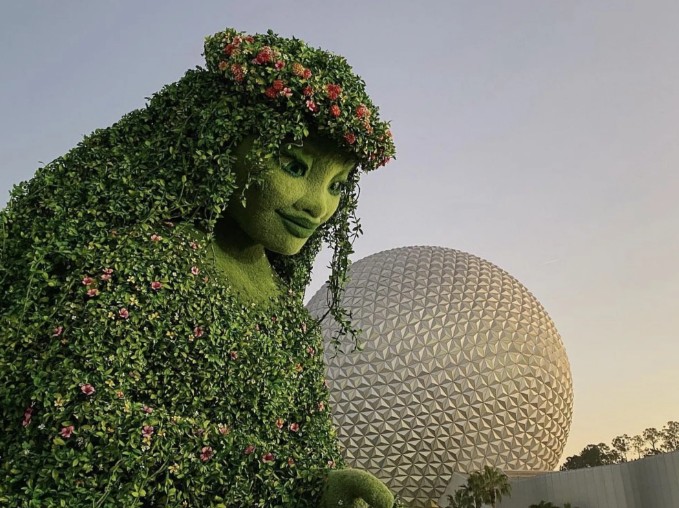
Te Fiti is a life-giving island goddess whose heart contains the power of creation. After Maui steals the heart, Te Fiti loses her identity and becomes Te Kā, a destructive lava creature. Much of the first film presents Te Kā as the main enemy, but Moana eventually recognizes that the monster is actually Te Fiti in a wounded and incomplete state.
This reveal is central to the film’s message. Moana does not defeat Te Kā through force. She approaches her calmly, returns the heart, and restores her true identity. The scene shows how empathy and understanding can sometimes resolve a conflict more effectively than violence.
Tamatoa is a giant coconut crab who lives in Lalotai, the Realm of Monsters. He decorates his shell with valuable objects and believes that outward appearance is the source of power. Maui and Moana encounter him while trying to recover Maui’s magical fishhook. Tamatoa is dangerous, but he also provides one of the film’s most comedic musical moments through the song “Shiny.”
The Kakamora are small coconut-armoured pirates who attack Moana and Maui at sea. Their appearance is cute, but they are highly organized and aggressive. They use ropes, darts, and connected vessels to pursue the Heart of Te Fiti. Although they are minor antagonists in the first movie, Moana 2 gives them a more developed background.
The Ocean also functions like a character. It chooses Moana, protects her, and helps move the story forward. However, it does not complete the mission for her. Moana still has to develop the skills and confidence needed to succeed. Disney’s official Moana character page presents her as an independent leader who remains connected to her identity and heritage.
New Characters Introduced in Moana 2
Moana 2 introduces a new group of companions who join Moana on a mission to reconnect the separated peoples of the ocean. Loto is an inventive canoe builder and engineer. She is creative, enthusiastic, and always looking for ways to improve the crew’s vessel. Her ideas are often useful, although some of her experiments create unexpected problems.
Moni is a storyteller and historian who admires Maui. His knowledge of myths and legends makes him helpful during the journey, but his excitement sometimes causes him to see situations less realistically. Kele is an older farmer who is practical, cautious, and reluctant to leave Motunui. His experience with plants and food production becomes valuable even though he is not naturally suited to life at sea.
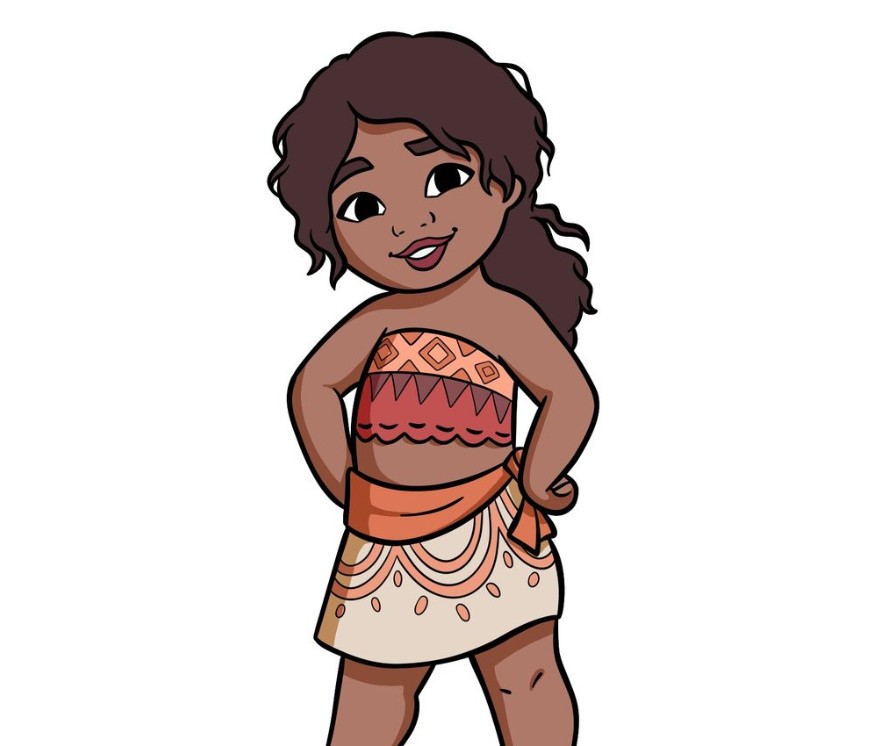
Simea is Moana’s younger sister. She is playful, affectionate, and deeply attached to Moana. Her introduction gives Moana another personal reason to return safely from her journey. Their relationship also shows a softer side of Moana, who is now both a leader and an older sister.
Matangi is a mysterious supernatural character associated with bats. She initially appears threatening, but her role is more complicated than that of a traditional villain. Matangi challenges Moana to think differently and find unexpected solutions. Nalo, the storm god, is the main hostile force in the sequel. He is connected to the sinking of Motufetu, an island that once brought different ocean communities together.
The sequel also introduces Tautai Vasa, one of Moana’s ancestors. Through a vision, he warns her that isolated communities may eventually disappear if they remain disconnected. His message gives Moana’s journey a wider purpose beyond protecting Motunui.
Why the Moana Characters Connect With Audiences
The characters in Moana feel relatable because they are written with strengths, fears, and personal limitations. Moana is brave, but she also experiences doubt. Maui is powerful, yet emotionally insecure. Chief Tui is protective, but his fear prevents him from understanding his daughter. These imperfections make the characters feel more human and believable.
The films also avoid presenting every conflict in simple terms. Te Kā is not naturally evil, and Maui is not purely heroic. Even the Kakamora receive more context in the sequel. This approach gives the story emotional complexity while keeping it accessible to younger viewers.
Another reason the cast is memorable is the balance between serious and humorous personalities. Gramma Tala brings wisdom, Heihei brings physical comedy, Tamatoa brings theatrical energy, and Maui combines humour with emotional depth. Each character has a clear function, so the story never feels crowded despite its large cast.
Conclusion
The Moana characters are a major reason the films remain popular with audiences of different ages. Moana represents courage and responsible leadership, while Maui provides humour, strength, and emotional growth. Gramma Tala, Chief Tui, Sina, Heihei, and Pua help build Moana’s family and community, while Te Fiti, Te Kā, Tamatoa, and the Kakamora expand the supernatural world around her.
Moana 2 adds new companions and threats without losing the original story’s focus on identity, connection, and voyaging. Together, these characters create a rich world in which every journey is tied to family, heritage, and responsibility.
Frequently Asked Questions
Who are the main Moana characters?
The main characters are Moana, Maui, Gramma Tala, Chief Tui, Sina, Heihei, Pua, Te Fiti, Te Kā, and Tamatoa.
What is the name of Moana’s chicken?
Moana’s rooster is named Heihei.
Are Te Fiti and Te Kā the same character?
Yes. Te Kā is Te Fiti after her heart is removed.
Does Moana have a sister?
Yes. Moana 2 introduces Moana’s younger sister, Simea.
