




Otis Williams is an American singer, songwriter, producer, and author best known as a founding member of The Temptations. The Motown group became one of the most influential vocal acts in popular music, combining rich harmonies with polished choreography, elegant stagewear, and songs that continue to reach new audiences.
Although Williams was rarely the lead singer on the group’s biggest records, his contribution was fundamental. He helped organise the original lineup, acted as a link between the performers and management, and guided The Temptations through decades of musical and personnel changes. Born on October 30, 1941, he is the last surviving member of the original group and remains closely involved with its continuing legacy.
Otis Williams’ Early Life and Move to Detroit
Otis Williams was born in Texarkana, Texas, and spent his early childhood with members of his extended family. The Black Baptist church played an important role in his upbringing, and singing in a gospel choir introduced him to harmony, rhythm, and the emotional force of group vocals. Those early experiences gave him a musical foundation before he had any realistic expectation of becoming a professional entertainer.
At age 11, Williams moved to Detroit to live with his mother and stepfather. The change placed him inside a growing Black urban community at a time when rhythm and blues, gospel, and early rock and roll were rapidly developing. Inspired by performers he heard on Detroit radio and saw at the Fox Theatre, he began forming singing groups with local teenagers. Those early efforts taught him that success required more than a good voice; it also demanded rehearsal, organisation, presentation, and dependable teamwork.
How Otis Williams Helped Form The Temptations
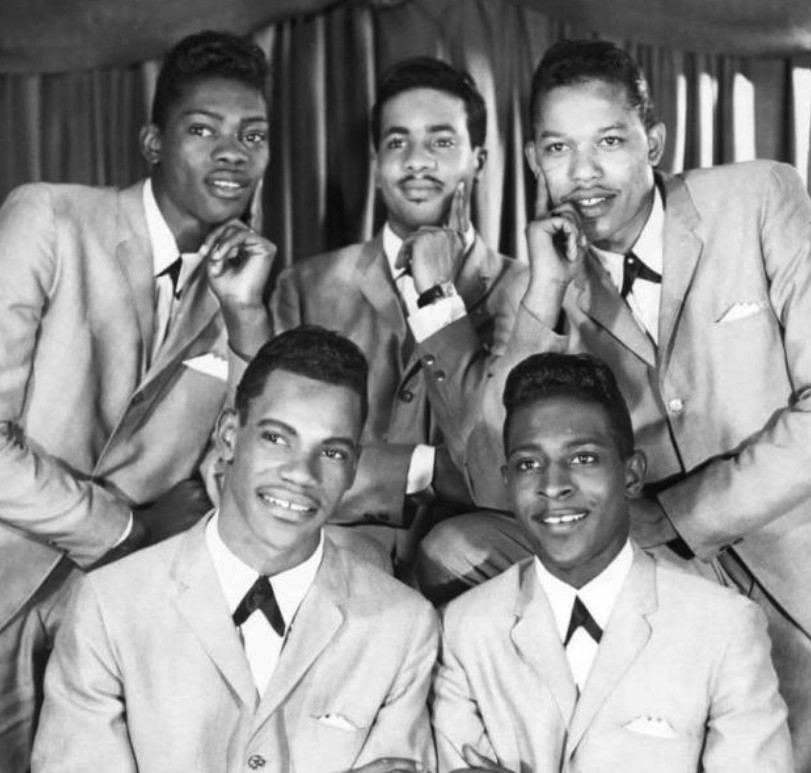
Williams first performed in groups called Otis Williams and the Siberians and the El Domingos before creating Otis Williams and the Distants. The Distants included future Temptations member Melvin Franklin and recorded “Come On” in 1959. A performance of that song later attracted the attention of Berry Gordy, who was building the company that would become Motown Records.
After lineup changes, Williams joined with Eddie Kendricks and Paul Williams, who had been members of The Primes. The new group briefly used the name The Elgins before becoming The Temptations. Motown signed the original lineup—Otis Williams, Melvin Franklin, Paul Williams, Eddie Kendricks, and Elbridge “Al” Bryant—in 1961. David Ruffin later replaced Bryant, creating the celebrated “Classic Five” lineup associated with many of the group’s defining recordings.
His Role in the Group and Most Famous Songs
Otis Williams generally sang baritone harmony rather than the dramatic lead parts that made David Ruffin, Eddie Kendricks, and Dennis Edwards widely recognised voices. His less visible role can make casual listeners underestimate his importance. Within the group, however, he served as an organiser, management liaison, and long-term decision-maker. He helped protect the Temptations name and maintain the group’s standards as members, producers, and musical trends changed.
The group’s breakthrough came with “The Way You Do the Things You Do,” followed by “My Girl,” which reached number one on the Billboard Hot 100 in 1965. Their catalogue later expanded through songs such as “Ain’t Too Proud to Beg,” “I Wish It Would Rain,” “Cloud Nine,” “Just My Imagination,” and “Papa Was a Rollin’ Stone.” The Library of Congress added “My Girl” to the National Recording Registry in 2017, recognising the recording’s cultural, historical, and aesthetic importance.
Awards, Autobiography, Television, and Broadway
The Temptations entered the Rock & Roll Hall of Fame in 1989 and received a Recording Academy Lifetime Achievement Award in 2013. Their honours also include competitive Grammy Awards, a star on the Hollywood Walk of Fame, and extensive Gold and Platinum record recognition. These achievements reflect more than commercial popularity. The group helped establish a model for coordinated vocal performance and gave Motown some of its most durable recordings.
Williams also became the central storyteller of the group’s history. His autobiography, Temptations, written with Patricia Romanowski, was published in 1988. It provided the basis for the 1998 NBC miniseries The Temptations and later helped inspire the Broadway musical Ain’t Too Proud: The Life and Times of The Temptations. According to the official history of The Temptations, the Broadway production received 12 Tony Award nominations and won Best Choreography in 2019. These adaptations brought the group’s achievements, conflicts, losses, and changing lineups to audiences beyond its original fan base.
Where Is Otis Williams Now, and Why Does He Matter?
Williams has continued performing with later versions of The Temptations rather than treating the name as a retired piece of Motown history. The group marked its 60th anniversary with the 2022 album Temptations 60, which included new material and contributions connected to Williams and Smokey Robinson. The official group website also continues to present an active lineup led by Williams.
His historical importance comes from continuity. The Temptations experienced departures, replacements, personal struggles, and changes in musical direction, yet Williams remained the constant member. He helped the group move from romantic Motown songs into psychedelic soul, funk, socially conscious music, and later adult R&B without entirely losing its identity. That ability to adapt explains why the act lasted far beyond the Classic Five era.
Conclusion
Otis Williams’ story is inseparable from the history of The Temptations. He grew from a gospel-influenced child in Texas into a determined Detroit performer, Motown founding member, group leader, producer, author, and guardian of a major American musical legacy. His strength was not simply singing; it was keeping talented people focused around a shared name and performance standard.
For listeners who know only “My Girl,” his career provides a deeper view of how enduring groups survive. Fame may depend on unforgettable lead voices, but longevity often depends on someone willing to organise, adapt, and preserve the work. Williams has fulfilled that role for more than six decades.
Frequently Asked Questions
Is Otis Williams still alive?
Yes. Otis Williams is alive and remains associated with the active version of The Temptations.
Is Otis Williams the only original Temptation still living?
Yes. He is the last surviving member of the original Temptations lineup signed by Motown in 1961.
Did Otis Williams sing lead on “My Girl”?
No. David Ruffin sang the lead vocal, while Williams contributed to the group’s background harmonies.
How old is Otis Williams?
Born on October 30, 1941, Otis Williams is 84 years old as of July 2026.
